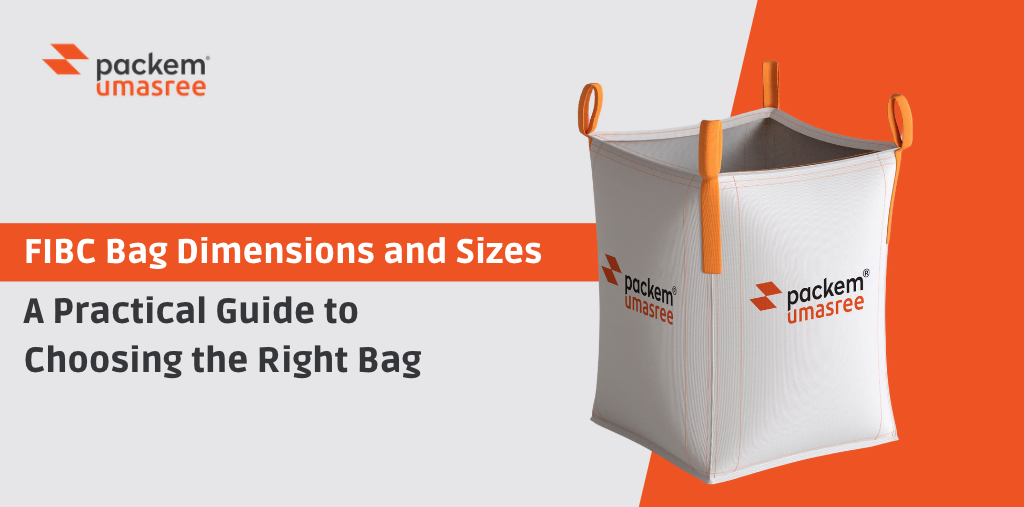
FIBC Bag Dimensions and Sizes: A Practical Guide to Choosing the Right Bag
Choosing the right Flexible Intermediate Bulk Container (FIBC) is about more than selecting a bag that can hold a specific weight. The dimensions, capacity, construction, filling method, discharge style, and handling requirements all affect how well a bulk bag performs during storage, transportation, and loading. A bag that is too small may not hold the… Continue reading FIBC Bag Dimensions and Sizes: A Practical Guide to Choosing the Right Bag
Continue Reading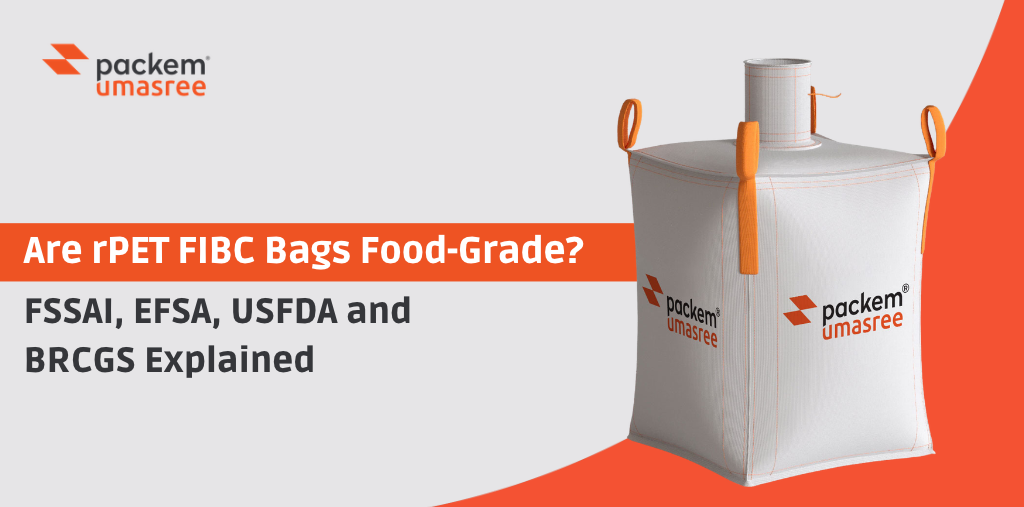
Are rPET FIBC Bags Food-Grade? FSSAI, EFSA, USFDA and BRCGS Explained
Food and ingredient manufacturers are increasingly looking for bulk packaging that combines strength, hygiene, regulatory compliance, and sustainability. This has created growing interest in rPET FIBC Bags, particularly for products such as sugar, nuts, seeds, rice, grains, food additives, and other dry ingredients. But one question needs a careful answer: Are recycled PET bulk bags… Continue reading Are rPET FIBC Bags Food-Grade? FSSAI, EFSA, USFDA and BRCGS Explained
Continue Reading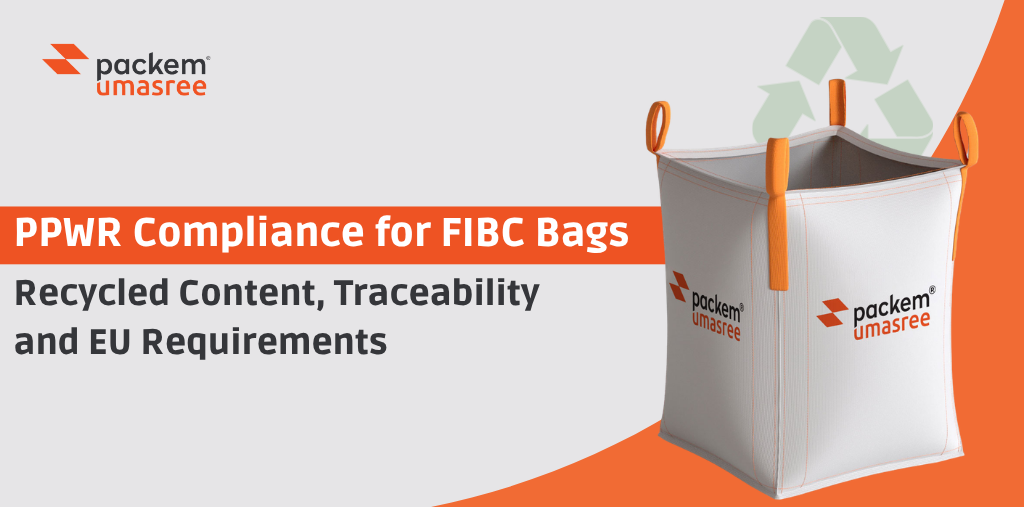
PPWR Compliance for FIBC Bags: Recycled Content, Traceability and EU Requirements
For companies that manufacture, import, fill or use Flexible Intermediate Bulk Containers (FIBCs) in Europe, packaging compliance is entering a new phase. The EU Packaging and Packaging Waste Regulation (PPWR), Regulation (EU) 2025/40, is designed to reduce packaging waste, improve recyclability, expand reuse and increase the use of recycled materials across the European market. The… Continue reading PPWR Compliance for FIBC Bags: Recycled Content, Traceability and EU Requirements
Continue Reading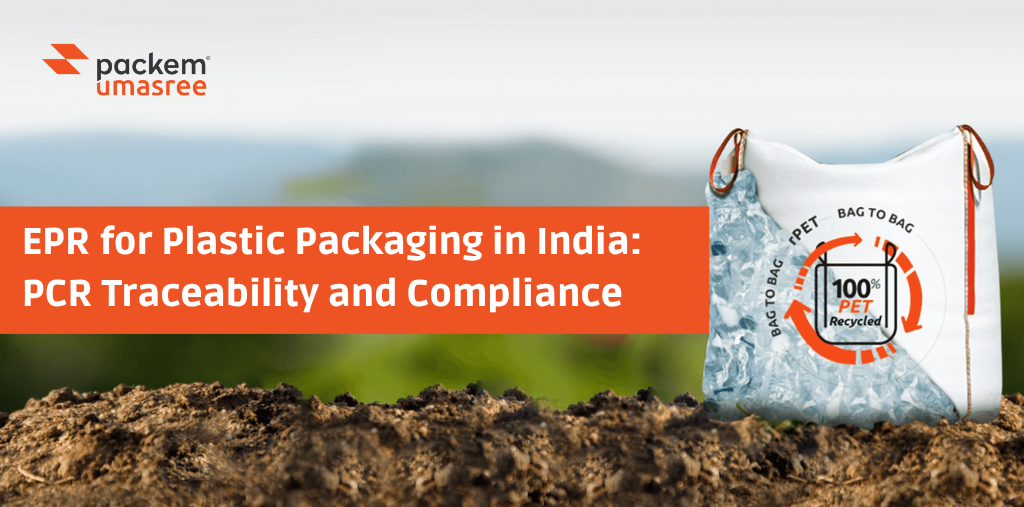
EPR for Plastic Packaging in India: PCR Traceability and Compliance
Plastic packaging is under closer scrutiny than ever before. For businesses operating in India, sustainability claims are increasingly expected to be backed by measurable data, verifiable recycled content and clear records across the supply chain. This is where EPR for plastic packaging in India becomes more than a regulatory requirement. It becomes a practical framework… Continue reading EPR for Plastic Packaging in India: PCR Traceability and Compliance
Continue Reading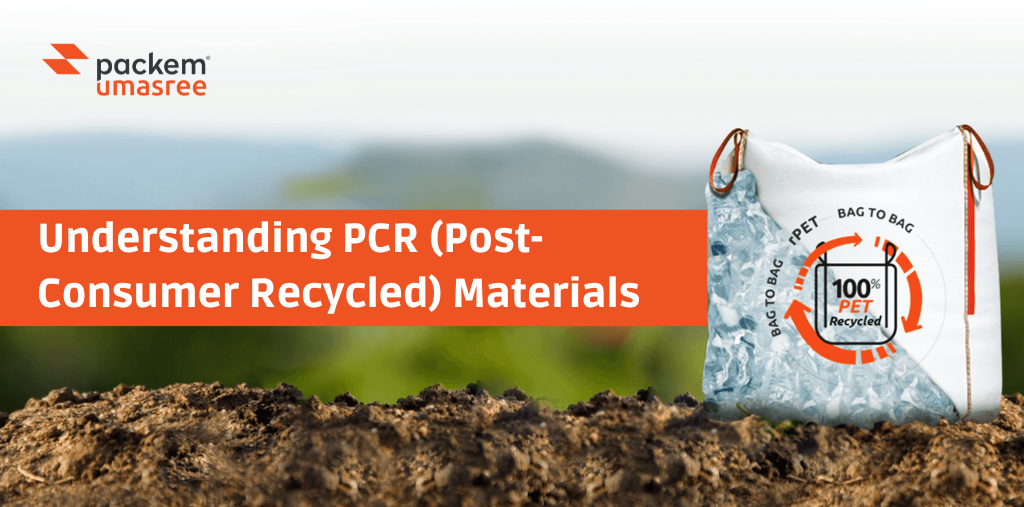
Understanding PCR (Post-Consumer Recycled) Materials
The world is facing a growing challenge: managing increasing amounts of plastic waste while reducing dependence on virgin raw materials. Businesses across industries are now exploring sustainable alternatives that support environmental responsibility without compromising performance. One such solution is PCR (Post-Consumer Recycled) Materials. PCR materials represent an important step toward building a circular economy. They… Continue reading Understanding PCR (Post-Consumer Recycled) Materials
Continue Reading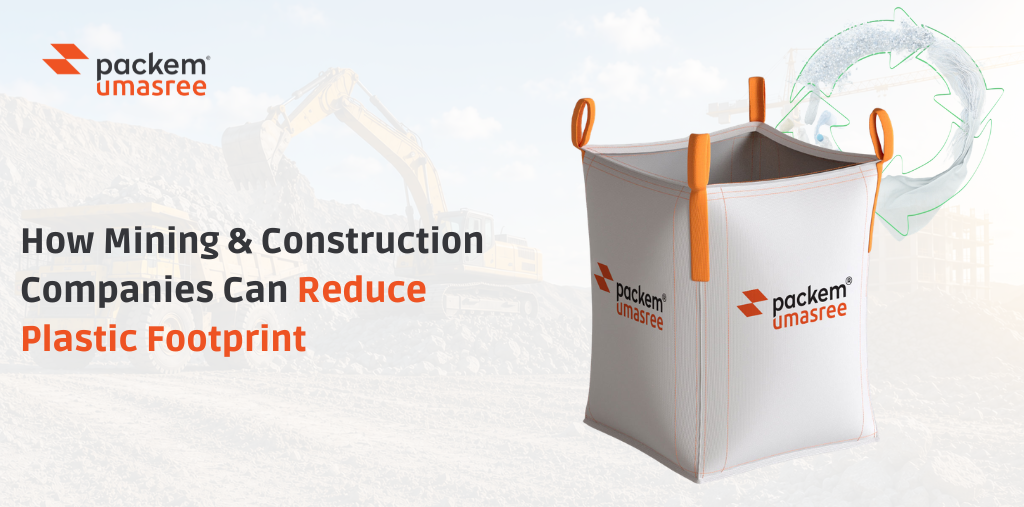
How Mining & Construction Companies Can Reduce Plastic Footprint
Mining and construction industries play a critical role in global development, but they also face increasing pressure to reduce their environmental impact. From heavy-duty packaging materials to operational waste, plastic consumption remains a significant sustainability challenge for companies handling bulk materials. Businesses today are looking for practical ways to Reduce Plastic Footprint in Mining and… Continue reading How Mining & Construction Companies Can Reduce Plastic Footprint
Continue Reading
A Guide to Global Sustainability Certifications in Packaging: Why They Matter for Responsible Manufacturing
Sustainability has become a key consideration in industrial packaging. Businesses across industries are looking beyond product quality and pricing to evaluate how their packaging partners source materials, manage environmental impact, and maintain transparent supply chains. As a result, global sustainability certifications have become valuable benchmarks for manufacturers. These certifications verify responsible sourcing, traceability, environmental performance,… Continue reading A Guide to Global Sustainability Certifications in Packaging: Why They Matter for Responsible Manufacturing
Continue Reading
Total Cost of Ownership: rPET vs PP Bulk Bags
When businesses evaluate bulk packaging, the purchase price often becomes the deciding factor. However, focusing only on the upfront cost can lead to expensive decisions over time. The true value of a packaging solution lies in its Total Cost of Ownership (TCO) a broader measure that includes performance, durability, logistics, sustainability, and operational efficiency throughout… Continue reading Total Cost of Ownership: rPET vs PP Bulk Bags
Continue Reading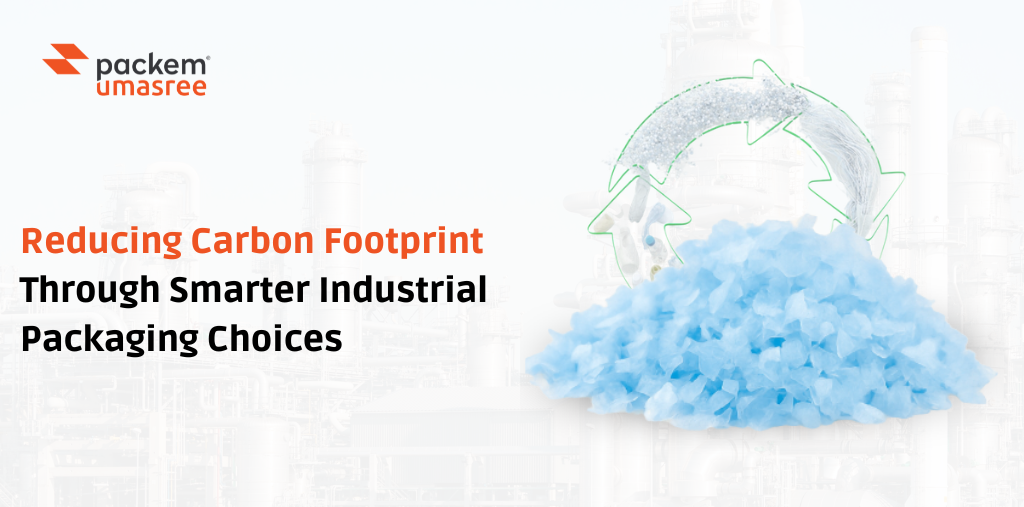
Reducing Carbon Footprint Through Smarter Industrial Packaging Choices
As businesses worldwide work toward sustainability goals, reducing carbon emissions has become a priority across manufacturing, logistics, and packaging operations. While many organizations focus on renewable energy and efficient transportation, the materials used in packaging and product manufacturing often have an equally significant environmental impact. One of the most effective ways to reduce this impact… Continue reading Reducing Carbon Footprint Through Smarter Industrial Packaging Choices
Continue Reading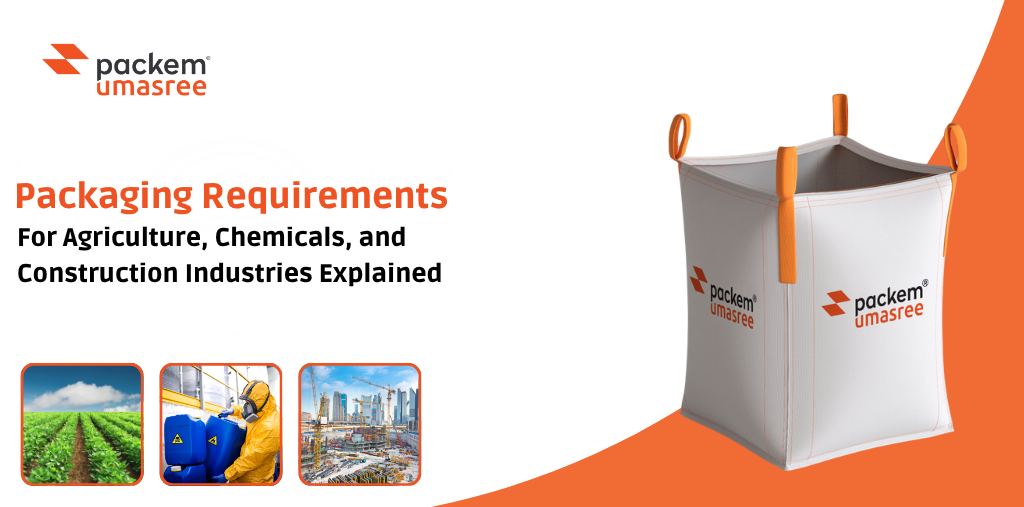
Packaging Requirements for Agriculture, Chemicals, and Construction Industries Explained
Why Industry-Specific Packaging Matters More Than Ever? Packaging does much more than hold a product. In industrial sectors, it protects valuable materials, supports safe handling, simplifies transportation, and helps businesses maintain product quality from production facilities to end users. However, not every industry has the same packaging needs. Agricultural products face challenges such as moisture,… Continue reading Packaging Requirements for Agriculture, Chemicals, and Construction Industries Explained
Continue Reading