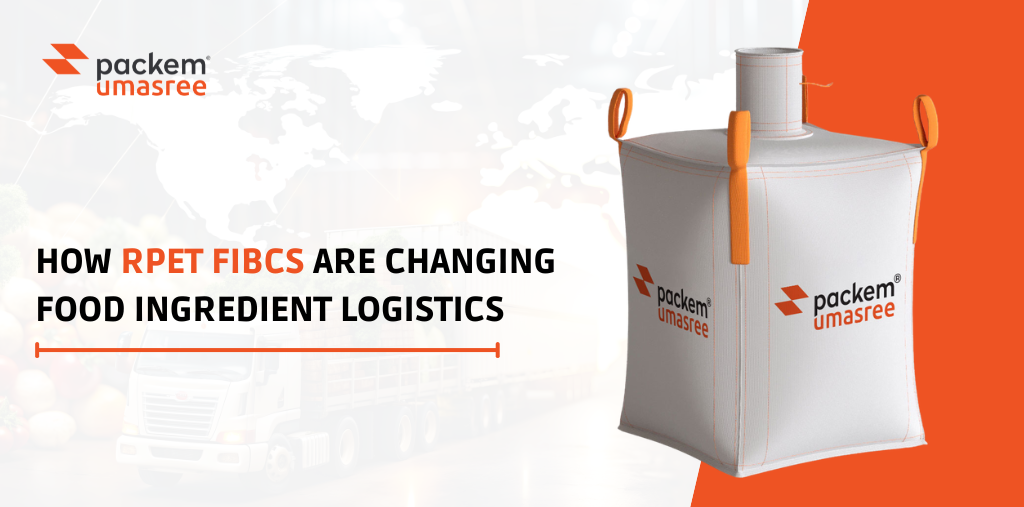
Food ingredient logistics is undergoing a significant transformation. Manufacturers, exporters, and food processors are no longer focused solely on strength and cost efficiency when selecting bulk packaging. Today, food safety compliance, traceability, sustainability, and regulatory approval have become equally critical.
Flexible Intermediate Bulk Containers (FIBCs), commonly known as jumbo bags, remain one of the most widely used bulk packaging solutions for transporting food ingredients such as sugar, flour, starch, rice, salt, spices, and food additives. However, traditional bulk packaging solutions made from virgin materials are increasingly being reconsidered in favor of recycled alternatives that maintain strict safety standards.
This shift has led to the rapid adoption of recycled PET-based FIBCs (rPET FIBCs), supported by advanced manufacturing technologies and globally recognized certifications.
At
Packem Umasree, this transformation is driven by EFSA and USFDA approved Starlinger technology, combined with BRCGS-certified manufacturing practices, enabling safe, compliant, and sustainable food ingredient logistics.
What Are rPET FIBCs and Why They Matter in Food Logistics?
Recycled Polyethylene Terephthalate (rPET) FIBCs are bulk bags manufactured using post-consumer recycled PET materials, typically sourced from used PET bottles. These materials are processed through specialized recycling systems that restore them to food-safe quality levels suitable for industrial applications.
Unlike conventional recycled materials, modern rPET systems use controlled processes that remove contaminants and ensure material consistency. When manufactured using certified recycling technology, rPET materials meet international food-contact safety requirements.
For food ingredient logistics, this provides two major advantages:
- Reliable bulk packaging performance
- Reduced environmental impact without compromising food safety
This combination is becoming increasingly valuable for global food supply chains.
The Role of EFSA and USFDA Approved Starlinger Technology
Technology plays a decisive role in determining whether recycled materials can be safely used in food-related applications.
At Packem Umasree, rPET FIBCs are produced using Starlinger recycling technology, which is approved by:
- EFSA (European Food Safety Authority)
- USFDA (United States Food and Drug Administration)
These approvals confirm that the recycling process meets strict safety standards required for food-grade material handling.
BRCGS Certification: The Foundation of Food Packaging Safety
Food ingredient logistics depends heavily on standardized safety systems. Certifications provide assurance that manufacturing processes meet strict hygiene and quality requirements.
BRCGS (Brand Reputation through Compliance Global Standards) certification is one of the most recognized food safety standards globally.
At Packem Umasree, BRCGS-certified processes ensure that FIBC production meets the hygiene, traceability, and contamination control standards required for handling food ingredients.
What BRCGS Certification Ensures?
BRCGS certification confirms that manufacturing facilities follow structured safety and quality procedures, including:
- Controlled production environments
- Hygiene-focused operational protocols
- Foreign contamination prevention systems
- Documented traceability processes
- Risk-based hazard control systems
For food processors and exporters, BRCGS certification simplifies supplier approval and strengthens supply chain compliance.
Why Food Ingredient Logistics Is Moving Towards rPET FIBCs?
Food logistics systems are evolving due to changing global requirements. Sustainability targets, waste reduction policies, and stricter packaging regulations are reshaping purchasing decisions.
rPET FIBCs offer a practical solution that aligns with these new expectations.
Environmental Responsibility
Food companies worldwide are committing to reducing plastic waste and increasing recycled content in their packaging systems.
Using rPET-based FIBCs supports:
- Circular economy initiatives
- Reduction of landfill plastic waste
- Lower carbon footprint packaging
- Sustainable supply chain targets
For multinational food companies, adopting recyclable packaging solutions is becoming mandatory rather than optional.
Regulatory Compliance Requirements
Food ingredient exporters must comply with strict international regulations governing packaging materials.
Packaging produced using EFSA and USFDA approved recycling systems helps ensure:
- Regulatory readiness
- Export compliance
- Reduced product rejection risk
- Faster buyer approval cycles
These advantages are especially important for exporters supplying to Europe, the United States, Oceania and other markets.
Improved Brand Sustainability Positioning
Food manufacturers increasingly evaluate packaging suppliers based on sustainability metrics.
Switching to rPET FIBCs allows companies to demonstrate:
- Commitment to recycled material usage
- Reduced reliance on virgin plastics
- Alignment with ESG reporting standards
- Environmental responsibility in logistics operations
This strengthens brand positioning across global markets.
How rPET FIBCs Improve Food Ingredient Logistics Efficiency?
Beyond sustainability, rPET FIBCs provide significant operational advantages in logistics management.
Strength and Durability
Modern rPET fibers maintain structural integrity comparable to conventional materials. When processed using certified systems, recycled PET retains the mechanical strength required for heavy bulk loads.
This ensures:
- Safe material handling
- Reduced bag failure risk
- Reliable stacking performance
- Consistent load stability
These characteristics are critical when transporting large volumes of food ingredients.
Clean Material Handling
Food ingredient logistics requires strict contamination control.
BRCGS-certified manufacturing environments ensure that FIBCs are produced under hygienic conditions that reduce contamination risks.
This improves:
- Product safety
- Handling reliability
- Storage hygiene
- Processing efficiency
Food processors benefit from reduced cleaning requirements and improved operational safety.
Supply Chain Optimization
Modern bulk packaging plays a vital role in improving supply chain performance.
rPET FIBCs support:
- Efficient warehouse stacking
- Space optimization
- Safe long-distance transport
- Reduced packaging waste
These improvements contribute to lower logistics costs and improved operational efficiency.
Applications of rPET FIBCs in Food Ingredient Logistics
Food ingredient logistics includes a wide range of materials that require safe bulk handling.
Typical applications include:
- Sugar transportation
- Flour storage and shipping
- Rice and grain packaging
- Salt handling
- Starch logistics
- Food additive transport
- Spice bulk packaging
- Dehydrated food material handling
Each of these applications demands reliable packaging that meets hygiene and regulatory standards.
rPET FIBCs provide a practical solution across these use cases.
The Sustainability Advantage of Bottle-to-Bag Manufacturing
One of the most impactful innovations in bulk packaging is the Bottle-to-Bag recycling concept, where post-consumer PET bottles are converted into new industrial packaging materials.
At
Packem Umasree, this model supports large-scale circular manufacturing.
How Bottle-to-Bag Works?
The process begins with collecting used PET bottles from recycling streams. These bottles are processed into rPET flakes using advanced recycling systems. The flakes are converted into tapes and woven into high-performance fabrics used to manufacture FIBCs.
This closed-loop approach reduces reliance on virgin materials and promotes responsible material reuse.
Environmental Impact Reduction
Bottle-to-Bag manufacturing contributes to:
- Reduction of plastic waste accumulation
- Lower greenhouse gas emissions
- Reduced fossil fuel consumption
- Improved recycling infrastructure utilization
These outcomes support long-term sustainability goals for both manufacturers and logistics operators.
Why Global Food Companies Prefer Certified rPET Packaging?
Global food companies operate under strict procurement policies. Packaging suppliers must meet both technical and environmental standards.
Certified rPET FIBCs meet these expectations by combining:
- Verified recycling technology
- Food safety compliance
- Documented production controls
- Sustainable material sourcing
This combination simplifies supplier qualification and strengthens long-term partnerships.
Why Choose Packem Umasree for rPET FIBC Solutions?
Selecting the right packaging partner directly affects product safety, compliance reliability, and logistics performance.
Packem Umasree stands out due to its integrated approach to sustainability and compliance-driven manufacturing.
Key Strengths
EFSA and USFDA Approved Starlinger Technology
Production systems approved by international regulatory bodies ensure safe recycled material processing suitable for food-related applications.
BRCGS Certified Manufacturing
Controlled production environments support strict hygiene protocols and traceable manufacturing workflows.
Advanced Bottle-to-Bag Recycling Model
Converting post-consumer PET bottles into high-performance FIBC fabrics supports circular manufacturing and sustainability goals.
Reliable Industrial Production Capability
High-volume manufacturing capacity ensures consistent supply for large-scale food ingredient logistics operations.
The Future of Food Ingredient Logistics Is Sustainable
The food industry continues to evolve toward safer, cleaner, and more environmentally responsible logistics practices.
rPET-based FIBCs represent a significant advancement in bulk packaging technology, offering both environmental and operational advantages.
As global regulations tighten and sustainability targets expand, the demand for certified recycled packaging will continue to grow.
Manufacturers and exporters that adopt advanced rPET packaging solutions today position themselves for long-term compliance, efficiency, and market competitiveness.
With EFSA and USFDA approved Starlinger technology, BRCGS-certified processes, and large-scale Bottle-to-Bag manufacturing,
Packem Umasree continues to support the transformation of food ingredient logistics through safe and sustainable bulk packaging solutions.